
Bleeding Gums in Cats: Causes and Treatment
If you’ve noticed blood around your cat’s mouth, on their food bowl, or while grooming, it can be a startling discovery. Bleeding gums in cats are not normal and should never be dismissed as a minor inconvenience. In most cases, bleeding gums in a cat indicate an underlying oral health problem (most commonly dental disease), but other conditions ranging from infection to systemic illness can also be responsible. Understanding why cats develop bleeding gums, what symptoms to watch for, and how veterinarians diagnose and treat the cause puts you in the best possible position to get your cat the care they need. This guide covers everything you need to know.
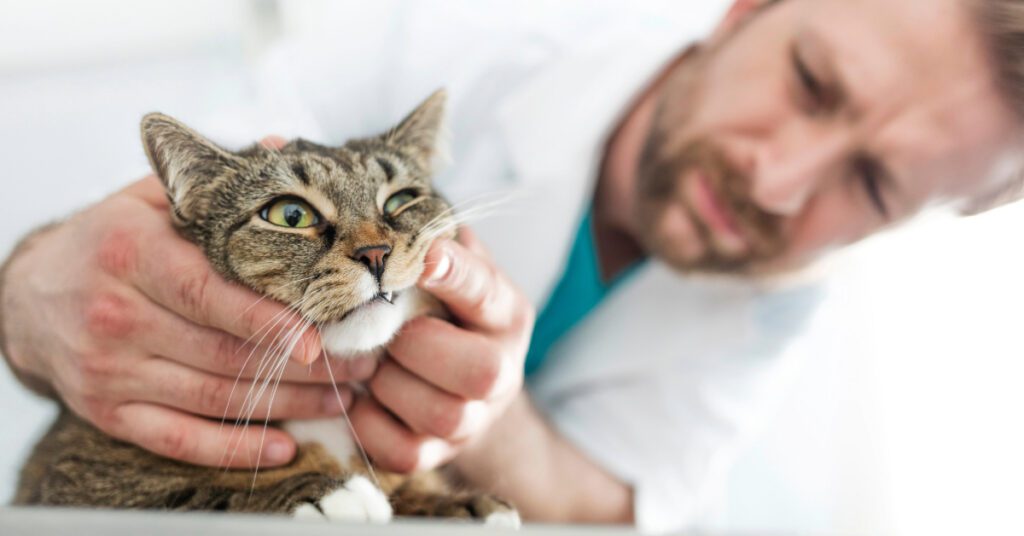
Why Do Cats Get Bleeding Gums?
Bleeding gums in cats develop when the gum tissue becomes inflamed, damaged, or diseased enough that the blood vessels within the tissue rupture or become exposed. The most common underlying cause is periodontal disease, but several other conditions can produce the same symptom. Identifying which condition is responsible requires a veterinary exam, as treatment approaches vary significantly.
Cats are notoriously stoic animals, and oral pain is one of the things they hide best. By the time a pet owner notices bleeding gums in their cat, the underlying problem has often been developing for quite some time. This is one reason why annual wellness exams that include an oral assessment are so important for cats.
Common Causes of Bleeding Gums in Cats
Several conditions can lead to bleeding gums in cats. The most frequent culprits are dental disease, feline gingivostomatitis, and tooth resorption, though systemic diseases and trauma can also be responsible. Below is a closer look at each cause and how it affects your cat’s oral health.
Periodontal Disease
Periodontal disease is the most common cause of bleeding gums in cats and affects the majority of cats over three years of age to some degree. It begins with the accumulation of plaque (a bacterial film) on the teeth. When plaque mineralizes, it becomes tartar, which accumulates along the gumline and causes inflammation of the gums (gingivitis). As gingivitis progresses to periodontitis, the tissues supporting the teeth break down and the gums may bleed, recede, and pull away from the teeth.
Cats with periodontal disease often have visibly red or swollen gums, bad breath, tartar buildup, and may show signs of oral pain such as reluctance to eat hard food, drooling, or pawing at the mouth. Without treatment, periodontal disease leads to tooth loss and chronic infection that can affect the kidneys, heart, and other organs.
Feline Gingivostomatitis
Feline gingivostomatitis (FGS) is a severe, painful inflammatory condition that affects the gums and sometimes the entire oral mucosa. It is thought to result from an abnormal immune response to oral bacteria, and possibly to certain viruses such as feline calicivirus or feline herpesvirus. Cats with FGS have intensely red, swollen, ulcerated gums that bleed easily. The condition is extremely painful and significantly affects a cat’s ability to eat.
FGS is one of the most challenging oral conditions to treat in cats. While some cats respond to professional dental cleanings and antibiotics, many require partial or full-mouth tooth extractions to achieve long-term remission. This may sound dramatic, but most cats do remarkably well after the procedure and experience significant pain relief.
Tooth Resorption
Tooth resorption is a painful condition unique to cats in which the body’s own cells break down and absorb the tooth structure. It affects up to 50 percent of cats at some point in their lives and most commonly affects the premolars. As the tooth structure erodes at the gumline, the area becomes exposed and inflamed, causing bleeding and significant pain. The affected teeth often look as though the gum is growing over them.
Cats with tooth resorption typically show signs of oral pain such as chattering of the jaw when the area is touched, reluctance to eat, drooling, and behavioral changes. Diagnosis requires dental X-rays, and treatment typically involves extraction of the affected teeth.
Systemic Diseases
Certain systemic illnesses can cause or contribute to bleeding gums in cats. Kidney disease, which is very common in older cats, can lead to oral ulcers and bleeding due to the buildup of uremic toxins in the bloodstream. Feline leukemia virus (FeLV) and feline immunodeficiency virus (FIV) impair the immune system and make cats more susceptible to severe oral infections. Blood clotting disorders and low platelet counts (thrombocytopenia) can also cause spontaneous bleeding from the gums.
Oral Trauma and Foreign Objects
Cats that chew on hard objects, bones, or foreign materials can lacerate or injure their gums. A sharp piece of bone, a splinter of wood, or another foreign object lodged in the gums can cause localized bleeding and infection. If your cat’s bleeding gums appeared suddenly after they were chewing on something, a traumatic injury or foreign body should be considered.
Symptoms That Accompany Bleeding Gums in Cats
Bleeding gums rarely appear in isolation. Most cats with oral disease display a combination of symptoms that provide important clues about the underlying cause. Knowing what to look for helps you communicate effectively with your veterinarian and may help determine the urgency of the situation.
- Bad breath (halitosis) that is noticeably strong or foul
- Red, swollen, or receding gums
- Visible tartar or discoloration on the teeth
- Drooling, sometimes blood-tinged
- Reluctance to eat, especially hard food or kibble
- Dropping food from the mouth while eating
- Weight loss due to decreased food intake
- Pawing at the mouth or face
- Behavioral changes, including increased irritability or withdrawal
Any combination of these signs alongside bleeding gums warrants a prompt veterinary evaluation. Oral pain in cats is significant and affects their quality of life, even when they appear to be eating normally.
How Bleeding Gums in Cats Is Diagnosed
Diagnosing the cause of bleeding gums in cats typically begins with a thorough physical exam, including a visual assessment of the mouth. However, a complete evaluation of feline oral health requires a professional dental examination under anesthesia, because much of the tooth structure lies below the gumline and cannot be properly assessed in a conscious, often painful cat.
Diagnostic Tools Veterinarians Use
- Full oral exam under anesthesia: Allows thorough assessment of all tooth surfaces, the gumline, and oral tissues
- Dental X-rays: Essential for identifying tooth resorption, bone loss, abscesses, and root problems not visible to the naked eye
- Blood work and urinalysis: Rules out systemic diseases such as kidney disease, FeLV, FIV, or clotting disorders
- Viral testing: Screens for FeLV and FIV in cats not previously tested
- Biopsy: May be recommended if an oral mass or unusual tissue is identified
Treatment Approaches for Bleeding Gums in Cats
Treatment for bleeding gums in cats depends entirely on the underlying cause. Because the causes vary from dental disease to systemic illness, there is no one-size-fits-all solution. Your veterinarian will develop a treatment plan tailored to your cat’s specific diagnosis and health status.
Professional Dental Cleaning
For cats with periodontal disease or gingivitis, professional dental cleaning under anesthesia is the cornerstone of treatment. This procedure removes plaque and tartar from all tooth surfaces above and below the gumline, polishes the teeth, and allows the veterinarian to probe for pockets of infection and assess the depth of gum disease. Extractions are performed during the same procedure when teeth are too diseased to save.
Tooth Extractions
Extracting diseased or damaged teeth is often the most effective treatment for conditions like tooth resorption, advanced periodontal disease, and feline gingivostomatitis. While losing teeth can seem like a significant outcome, cats adapt extremely well to tooth loss and typically experience dramatic improvement in their comfort and quality of life after diseased teeth are removed.
Medical Management
In some cases, medications are used to manage oral inflammation and pain. Antibiotics may be prescribed for bacterial infections. Anti-inflammatory medications can reduce gum swelling and discomfort. For cats with FGS that do not respond to dental cleaning and extractions, long-term immunosuppressive or anti-inflammatory therapy may be considered. Systemic disease management such as treating kidney disease or suppressing viral infections is also critical when these conditions contribute to oral symptoms.
Oral Health Is a Window Into Your Cat’s Overall Health
Bleeding gums in cats are always a sign that something needs attention. Whether the cause is a buildup of tartar, a painful case of tooth resorption, or an indicator of a systemic illness, the mouth offers important clues about your cat’s overall wellbeing. Routine veterinary care including regular wellness exams and professional dental cleanings is the most effective way to catch oral disease early, before it progresses to the point of causing pain, bleeding, and tooth loss.
If you’ve noticed bleeding gums, bad breath, or any changes in your cat’s eating habits, call Parrish Veterinary Clinic at (941) 216-2335 today. Our team provides comprehensive feline dental care and wellness services to help your cat live a more comfortable, healthy life. Schedule an appointment with our team. Your cat’s comfort depends on it.