
Can Dogs Get Eczema?
If your dog has been scratching, licking, or chewing at their skin constantly, you may be wondering: can dogs get eczema? The answer is yes. Dogs can develop a condition very similar to human eczema, and it’s more common than many pet owners realize. Dog eczema causes skin irritation, inflammation, and intense itchiness that can significantly affect your pet’s comfort and quality of life. At Parrish Veterinary Clinic, we see canine skin conditions regularly, and getting an accurate diagnosis is the key to helping your dog find real relief.
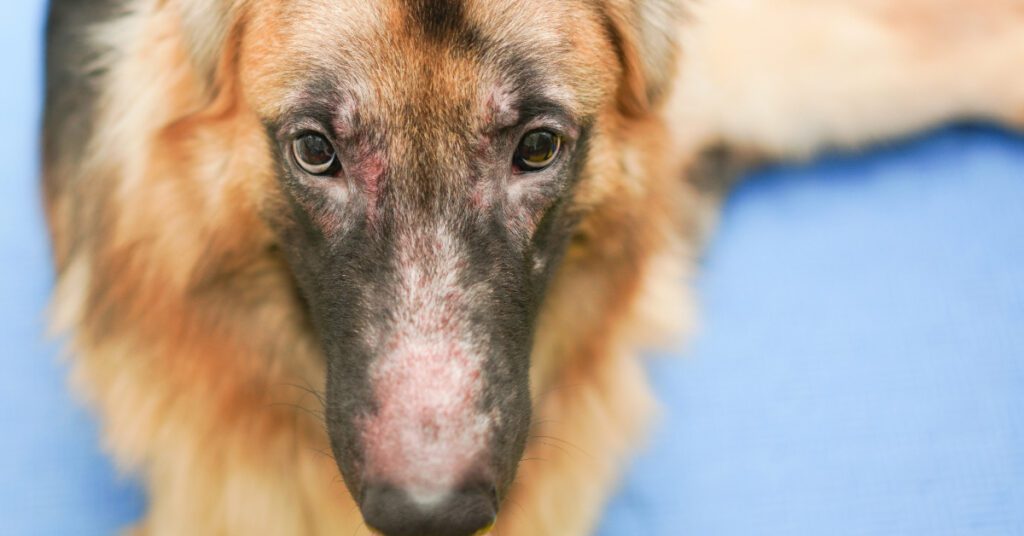
What Is Dog Eczema?
Dog eczema is an inflammatory skin condition that causes the skin to become red, itchy, and irritated. The medical term most often used is atopic dermatitis in dogs, though the term eczema is widely used by pet owners to describe similar symptoms. Just like eczema in people, canine eczema is not a single disease but rather a reaction pattern the skin displays in response to various triggers.
There are two main types of eczema in dogs:
- Dry eczema in dogs: Characterized by flaky, scaly, or crusty skin that feels rough to the touch. The affected skin may look dull and feel tight.
- Moist eczema in dogs (also called “hot spots” or acute moist dermatitis): These are red, wet, inflamed patches of skin that develop quickly, often within hours, and are intensely itchy or painful. Hot spots are commonly triggered by scratching, licking, or biting at an irritated area.
Both types require veterinary attention, and a proper diagnosis is essential because eczema symptoms can closely resemble other skin conditions, including mange, ringworm, and bacterial infections.
What Are the Causes of Eczema in Dogs?
There is rarely a single cause of eczema in dogs. The condition typically results from a combination of genetic predisposition, immune system reactivity, and environmental or dietary triggers.
Allergies
Allergies are one of the most common drivers of eczema in dogs. Environmental allergens like pollen, mold, dust mites, and grass can trigger atopic dermatitis in genetically susceptible dogs. Food allergies, particularly sensitivities to proteins like chicken, beef, or dairy, can also cause or worsen dog eczema symptoms.
Parasites
Fleas, mites, and other external parasites are frequent culprits behind itchy skin in dogs. Flea allergy dermatitis, a hypersensitivity reaction to flea saliva, is one of the most common causes of intense itching and skin inflammation in dogs. Even a single flea bite can trigger a significant reaction in sensitive dogs.
Contact Irritants
Some dogs develop skin reactions after coming into contact with certain substances, such as cleaning products, lawn chemicals, synthetic fabrics, or grooming products. This is called contact dermatitis and can look very similar to eczema in dogs.
Dry Skin
Low humidity environments, over-bathing, or nutritional deficiencies can lead to dry, flaky skin in dogs. While dry skin itself may not always be a sign of eczema, it can lower the skin’s natural barrier function and make a dog more susceptible to irritation and infection.
Breed Predisposition
Some dog breeds are genetically more prone to developing atopic dermatitis and dog eczema. These include Golden Retrievers, Labrador Retrievers, Bulldogs, French Bulldogs, West Highland White Terriers, Shih Tzus, and Boxers. If you have one of these breeds and notice persistent skin issues, mentioning eczema or atopy to your vet at your next visit is worth it.
What Does Eczema Look Like in Dogs?
Recognizing what eczema looks like in dogs can be tricky because the symptoms vary depending on the type, severity, and underlying cause. Here is what to look for:
- Red, inflamed, or irritated patches of skin
- Dry, flaky, or scaly skin texture
- Moist, weeping sores or hot spots
- Hair loss in affected areas from excessive scratching or licking
- Thickened or darkened skin (lichenification) in chronic cases
- Skin that feels warm or tender to the touch
- Sores, crusting, or secondary bacterial infections from self-trauma
Dog eczema most commonly affects specific areas of the body, including the paws, ears, belly, groin, armpits, and face. If you notice your dog obsessively licking their paws or chewing at their legs, eczema or atopic dermatitis could be involved.
Is Dog Eczema Itchy?
Yes, eczema in dogs is typically very itchy. Pruritus, the medical term for itchiness, is one of the defining features of canine eczema. The constant scratching, licking, and biting that results from this itch can create open wounds, hot spots, and secondary infections that compound the original problem. This is why it’s important not to let dog eczema go untreated.
Can Eczema Affect a Dog’s Ears?
Absolutely. Many dogs with eczema or atopic dermatitis also experience recurrent ear infections. The same inflammatory process that affects the skin can affect the ear canal, leading to redness, discharge, odor, and head shaking. If your dog has frequent ear infections alongside skin issues, our team at Parrish Veterinary Clinic will look at both conditions together to identify any common triggers.
How Is Eczema in Dogs Diagnosed and Treated?
Diagnosing dog eczema involves ruling out other potential causes of skin irritation. At Parrish Veterinary Clinic, your veterinarian may recommend skin scrapings, allergy testing, a food elimination trial, or skin cytology to identify what’s driving your dog’s symptoms. Treatment is then tailored to the underlying cause and may include prescription medications to control inflammation and itch, antibiotic or antifungal treatment for secondary infections, flea prevention, hypoallergenic diet changes, and medicated shampoos or topical therapies. Managing eczema in dogs is often an ongoing process, and your vet will work with you to find the right long-term approach for your pet’s individual needs.
Your Dog’s Skin Deserves Expert Care
If your dog has been scratching nonstop, developing skin sores, or losing fur in patches, don’t wait for it to get worse. Our veterinary team at Parrish Veterinary Clinic in Parrish, FL understands how frustrating and uncomfortable dog eczema can be for both pets and their owners. We are here to help you get answers and find a path to relief. Call us at (941) 216-2335 or request an appointment today, and let us take a closer look at what’s going on with your dog’s skin.