
Cat Food Allergies: Symptoms, Causes, and Treatment
If your cat has been vomiting frequently, scratching constantly, or dealing with recurring digestive issues, food allergies could be the cause. Cat food allergies occur when a cat’s immune system reacts to a specific ingredient in their diet, treating it as a threat instead of a nutrient. Food allergies in cats are one of the most common types of allergies in cats, and they can develop at any age, even to foods your cat has eaten for years without a problem. This guide from Parrish Veterinary Clinic will discuss the signs, causes, and treatment options for feline food allergies so you can help your cat feel their best.
What Are the Signs and Symptoms of Food Allergies in Cats?
Recognizing food allergy symptoms in cats is not always straightforward. The signs can mimic other conditions, including environmental allergies, parasites, and gastrointestinal disorders. However, certain patterns can suggest that diet is the root cause. Here are the most common symptoms of food allergies in cats:
Skin and Coat Symptoms
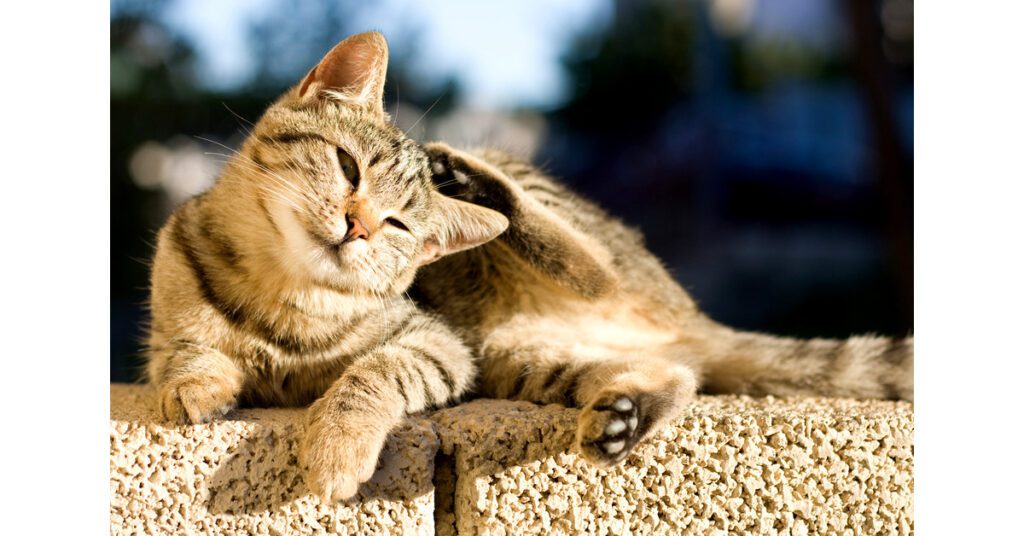
Skin reactions are among the most common presentations of food allergies in cats. These include intense itching (pruritus), especially around the head, neck, ears, and belly. You may notice your cat scratching their face, shaking their head, or over-grooming to the point of hair loss. Skin symptoms of feline food allergies often include red or inflamed patches, small bumps or papules, scabbing, and miliary dermatitis, a condition where small crusty lesions form along the back and neck.
Digestive Symptoms
Unlike environmental allergies in cats, food allergies frequently cause gastrointestinal symptoms. These can include chronic vomiting, diarrhea, excessive gas, and changes in stool consistency. If your cat seems to have an upset stomach more days than not, and the problem hasn’t been resolved by other treatments, a food allergy may be worth investigating.
Ear Problems
Recurrent ear infections, also called otitis externa, are a frequently overlooked sign of food allergies in cats. If your cat has been treated for ear infections repeatedly without long-lasting improvement, food allergies could be contributing. Cats with food allergies may shake their heads, scratch at their ears, or develop dark discharge or an odor in the ear canal.
A combination of skin, ear, and digestive symptoms appearing together is a strong indicator that food allergies in cats may be involved. Keep track of when symptoms occur and whether they improve or worsen with dietary changes, as this information will be helpful to your veterinarian at Parrish Veterinary Clinic.
What Food Can Cats Be Allergic To?
Food allergies in cats are almost always triggered by protein sources, not grains or carbohydrates as many people assume. The immune system reacts to specific proteins in the food, and since these proteins are in many common cat foods, identifying the culprit can be challenging. The most common food allergens in cats include:
- Chicken: One of the most prevalent protein sources in commercial cat food and one of the most common allergens.
- Beef: Another frequently used protein that can trigger food allergy reactions in cats.
- Fish: Tuna, salmon, and other fish proteins are widely used in cat food and are a known cause of feline food allergies.
- Dairy products: Milk-based ingredients can cause digestive and immune reactions in some cats.
- Eggs: A less common but possible allergen for some cats.
- Lamb and pork: Less frequently used proteins that can still trigger reactions in sensitive cats.
It’s important to note that a cat can develop a food allergy to a protein they have eaten for months or years without any issue. The immune system can sensitize to an ingredient over time, which is why food allergies sometimes seem to appear out of nowhere. If you’ve been feeding your cat the same food without changes and they suddenly develop skin or digestive issues, food allergies could still be the cause.
Are Grain Allergies Common in Cats?
Grain allergies in cats are actually rare. While grain-free diets are popular among pet owners who believe grains cause food allergies, the evidence does not support grains as a primary trigger. Most food allergies in cats are caused by animal proteins. If your cat is diagnosed with a food allergy, your vet at Parrish Veterinary Clinic will help identify the specific ingredient involved rather than making broad assumptions about grain content.
How Can Food Allergies in Cats Be Treated?
Treating food allergies in cats involves identifying the offending ingredient and removing it from the diet permanently. There are no medications that cure food allergies, though some can help manage symptoms while the dietary investigation is underway. Here is how the process typically works:
The Elimination Diet Trial
The elimination diet is considered the gold standard for diagnosing food allergies in cats. During an elimination diet, your cat is fed a prescription or hydrolyzed protein diet that contains novel protein sources they have never eaten before, or proteins that have been broken down so the immune system no longer recognizes them as a threat. The trial typically lasts 8 to 12 weeks, during which your cat eats nothing else, including treats and flavored medications. If symptoms improve significantly, food allergies are likely involved. Your cat is then slowly reintroduced to previous foods to confirm the specific allergen.
Prescription Diets for Cats With Food Allergies
Veterinary prescription diets are specifically formulated for cats with food allergies. These include hydrolyzed protein diets, where the proteins are broken into pieces too small to trigger an immune response, and novel protein diets, which use unusual protein sources like rabbit, venison, or duck. Over-the-counter limited ingredient diets are not recommended for diagnosis because they may contain trace contaminants from other proteins. Your vet at Parrish Veterinary Clinic can recommend the most appropriate prescription diet for your cat’s situation.
Managing Skin and Secondary Conditions
While waiting for the dietary trial to take effect, your veterinarian may prescribe medications to address itching, inflammation, or secondary infections that have developed as a result of the food allergy. Treating these secondary conditions helps improve your cat’s comfort while the underlying dietary cause is addressed.
Frequently Asked Questions About Cat Food Allergies
What foods should I avoid if my cat has allergies?
Once a specific food allergen has been identified through a dietary elimination trial, you should avoid any food, treat, or supplement that contains that ingredient. For most cats with food allergies, the culprit is a common protein such as chicken, beef, or fish. Your veterinarian will provide clear guidance on which ingredients to avoid based on your cat’s confirmed allergens.
Are homemade diets safe for cats with food allergies?
Homemade diets can be an option for some cats with food allergies, but they require careful formulation to meet all of your cat’s nutritional needs. An improperly balanced homemade diet can cause deficiencies that create new health problems. If you are interested in a homemade diet for your cat, speak with your veterinarian at Parrish Veterinary Clinic before making any changes, and consider a consultation with a board-certified veterinary nutritionist.
What does a vet typically prescribe for cats with food allergies?
Veterinarians most commonly recommend a prescription hydrolyzed protein or novel protein diet as the cornerstone of treatment for food allergies in cats. Depending on the severity of symptoms, they may also prescribe antihistamines, corticosteroids, or anti-itch medications to manage skin symptoms while the dietary trial is completed. Antibiotics or antifungals may be needed if secondary infections are present.
Can treats or flavored medications trigger food allergies in cats?
Yes, this is an important and often overlooked factor. Treats, dental chews, pill pockets, and flavored medications can all contain the same proteins that trigger food allergies in cats. During an elimination diet trial, all extras must be eliminated or replaced with hypoallergenic alternatives. Always inform your veterinarian about everything your cat eats, including medications and supplements, to get the most accurate results from the dietary trial.
Getting Answers for Your Cat’s Food Allergies at Parrish Veterinary Clinic
Food allergies in cats can be frustrating to diagnose, but with the right veterinary guidance, most cats find lasting relief once the culprit ingredient is identified and removed. If your cat has been dealing with persistent itching, digestive issues, ear infections, or other symptoms that haven’t responded to previous treatments, food allergies could be playing a role. Our veterinary team at Parrish Veterinary Clinic in Parrish, FL is experienced in diagnosing and managing all types of allergies in cats, including food allergies, environmental allergies, and flea allergy dermatitis. Call us today at (941) 216-2335 or request an appointment and take the first step toward getting your cat comfortable again.