
Common Reasons Your Dog Has Bad Breath
Bad breath in dogs, technically called halitosis, is one of the most common complaints veterinarians hear from pet owners. While it’s easy to chalk up your dog’s stinky breath to something they ate, persistent bad breath is often a sign that something more is going on inside their body. The most common reason your dog has bad breath is poor dental hygiene, but other causes including digestive issues, kidney disease, and diabetes can also be responsible. Understanding what’s behind the odor is the first step toward getting your dog the care they need. Read on to learn what causes bad breath in dogs, how to recognize warning signs, and when it’s time to call your veterinarian.
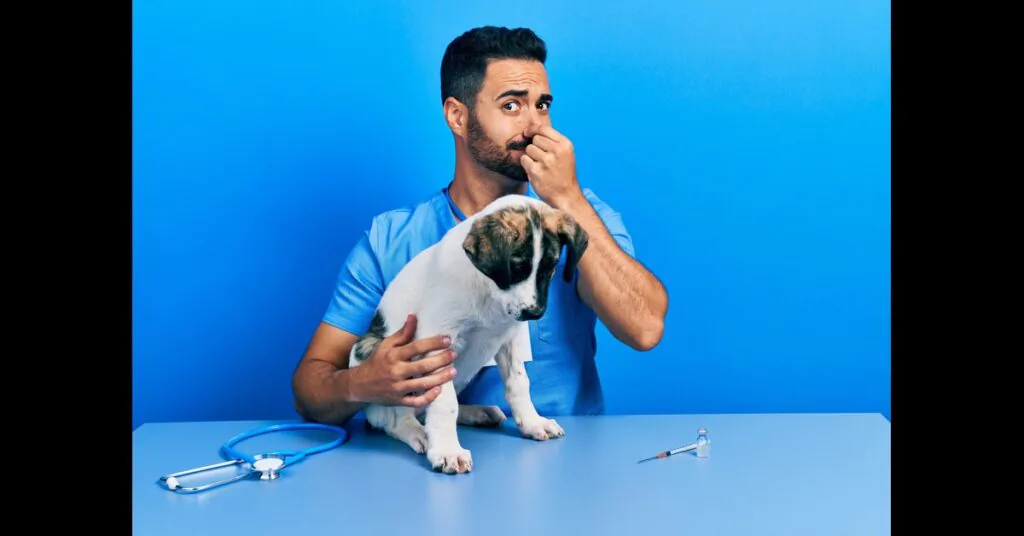
Why Your Dog’s Breath Smells Bad
Not all bad breath is created equal. The type of odor, whether it’s musty, fishy, sweet, or downright foul, can actually tell your vet a lot about what’s happening inside your dog’s body. While bad breath in dogs is sometimes traced back to what they ate (yes, dogs will eat things they shouldn’t), it often points to an underlying health issue that deserves attention.
The most important thing to understand is that “doggy breath” is not normal. A healthy dog’s mouth should not have a strong, offensive odor. If you notice your dog’s breath has been consistently unpleasant, it’s worth investigating further.
Common Odors and What They May Indicate
- Foul or rotten smell: Often linked to dental disease, tooth decay, or gum infection
- Sweet or fruity odor: Can be a sign of diabetes in dogs
- Urine-like or ammonia smell: May indicate kidney disease or kidney failure
- Unusually foul breath combined with vomiting or yellow skin: Could point to liver disease
- Fishy or fecal odor: Sometimes related to diet, coprophagia (eating feces), or anal gland issues
Dental Disease: The Number One Cause of Bad Breath in Dogs
Periodontal (dental) disease is by far the most common reason dogs have bad breath. By age three, the majority of dogs show some signs of dental disease, and without regular dental care, it only gets worse over time. The problem starts with plaque, a sticky film of bacteria that forms on the teeth. When plaque isn’t removed, it hardens into tartar, which irritates the gums and creates an ideal environment for bacteria to thrive.
As bacteria multiply in the mouth, they produce sulfur compounds that cause a noticeably unpleasant odor. Left untreated, dental disease can lead to tooth loss, painful infections, and bacteria entering the bloodstream, affecting the heart, liver, and kidneys.
Signs Your Dog May Have Dental Disease
- Yellow or brown buildup along the gumline
- Red, swollen, or bleeding gums
- Difficulty chewing or dropping food
- Pawing at the mouth or face
- Drooling more than usual
- Loose or missing teeth
If your dog’s bad breath is accompanied by any of these signs, it’s time to schedule a dental exam. Professional dental cleanings performed under anesthesia are the most effective way to address tartar buildup and assess the health of your dog’s teeth and gums.
Diet and Eating Habits That Cause Bad Dog Breath
Sometimes the answer to why your dog has bad breath is as simple as what they’ve been eating or what they’ve been getting into. Dogs are curious creatures, and their dietary habits can sometimes work against their breath quality.
Diet
Certain foods like fish-based diets, raw food diets, or high-protein foods can contribute to stronger-smelling breath. While these diets may be perfectly nutritious, they tend to leave a more pronounced odor. If you recently changed your dog’s food and noticed a shift in their breath, the diet may be the culprit.
Coprophagia
Coprophagia, which is the behavior of eating feces, whether their own or another animal’s, is another common and unpleasant cause of bad dog breath. While this behavior can sometimes be corrected through training and environmental management, it’s worth discussing with your veterinarian, as it can occasionally signal nutritional deficiencies or behavioral concerns.
Eating Something They Shouldn’t Have
Garbage raiding, eating dead animals, or getting into litter boxes can also cause sudden, severe bad breath. If your dog got into something they shouldn’t have, the smell is often temporary, but it’s still worth monitoring them for signs of gastrointestinal upset.
Health Conditions That Cause Bad Breath in Dogs
When the source of your dog’s bad breath isn’t the mouth itself, the cause is often an underlying medical condition. Several systemic diseases can produce distinctive odors that show up on the breath. This is why recurring or unusual-smelling bad breath in dogs should always be evaluated by a veterinarian.
Kidney Disease
The kidneys filter waste products from the blood. When they’re not functioning properly, those waste products including urea accumulate in the bloodstream and can give the breath a distinct ammonia or urine-like smell. If your dog’s breath suddenly smells like urine, this is a red flag that warrants an immediate veterinary visit. Other signs of kidney disease in dogs include increased thirst, increased urination, lethargy, and weight loss.
Diabetes
Dogs with diabetes may develop a sweet or fruity-smelling breath. This odor comes from ketones, the byproducts that build up when the body burns fat for energy instead of glucose. If your dog’s breath has an unusual sweetness to it and they’ve also been drinking more water, urinating more frequently, or losing weight despite a good appetite, diabetes may be the cause. Your veterinarian can diagnose diabetes with a simple blood and urine test.
Liver Disease
The liver plays a critical role in detoxifying the body. When it isn’t working properly, toxins build up and can produce a distinctly foul odor on the breath. Dogs with liver disease may also show signs such as yellowing of the whites of the eyes or gums (jaundice), vomiting, loss of appetite, and a swollen abdomen. If you notice these signs alongside bad breath, seek veterinary care right away.
Oral Tumors or Foreign Objects
Occasionally, bad breath in dogs is caused by a foreign object lodged in the mouth, throat, or nasal passage, or by an oral mass or tumor. Tissue that is dying or infected produces a very strong, often rot-like odor. If you notice a growth in your dog’s mouth, excessive pawing at the face, difficulty eating, or bleeding from the mouth, have your dog examined by a veterinarian promptly.
What to Expect at Parrish Veterinary Clinic for Dog Bad Breath
When you bring your dog in to Parrish Veterinary Clinic for bad breath, your veterinarian will take a thorough history and perform a physical exam that includes inspecting the mouth, teeth, gums, and throat. Depending on what we find, we may recommend:
- Dental X-rays and a professional cleaning if dental disease is suspected
- Blood work and urinalysis to check kidney and liver function and screen for diabetes
- Additional imaging such as X-rays or ultrasound if an abdominal or systemic issue is suspected
- Biopsy or further evaluation if an oral mass is identified
Early detection makes a significant difference in the treatment and management of most conditions that cause bad breath in dogs. The sooner the underlying cause is identified, the better the outcome for your pet.
Fresh Breath Starts With Routine Dental Care
The best way to prevent bad breath in dogs is through consistent dental care, starting with regular visits to your veterinarian. During your dog’s annual wellness exam, your vet will assess their oral health and let you know if a professional dental cleaning is recommended. Routine dental cleanings remove plaque and tartar that build up even with the best home care routines.
If your dog has been dealing with persistent bad breath, unusual odors, or any of the symptoms described in this blog, the team at Parrish Veterinary Clinic is here to help. We serve dogs and cats throughout Parrish, FL, and the surrounding communities. Call us today at (941) 216-2335 to schedule an appointment because your dog deserves a healthy mouth and you deserve to enjoy those doggy kisses again.